
Your Deck Might Not Make It Through Winter
Walk out on your deck and pour a little water on the boards.
Does it bead up, or soak right in?
If it soaks in, your deck is thirsty. And in a few weeks, that thirst turns into a problem. Chicago's first freeze usually shows up around late October. Once it does, the window to seal your deck or touch up your exterior is basically shut until spring.
Here's the honest truth: most of the winter damage we fix in April could have been stopped with a few hours of work in October.
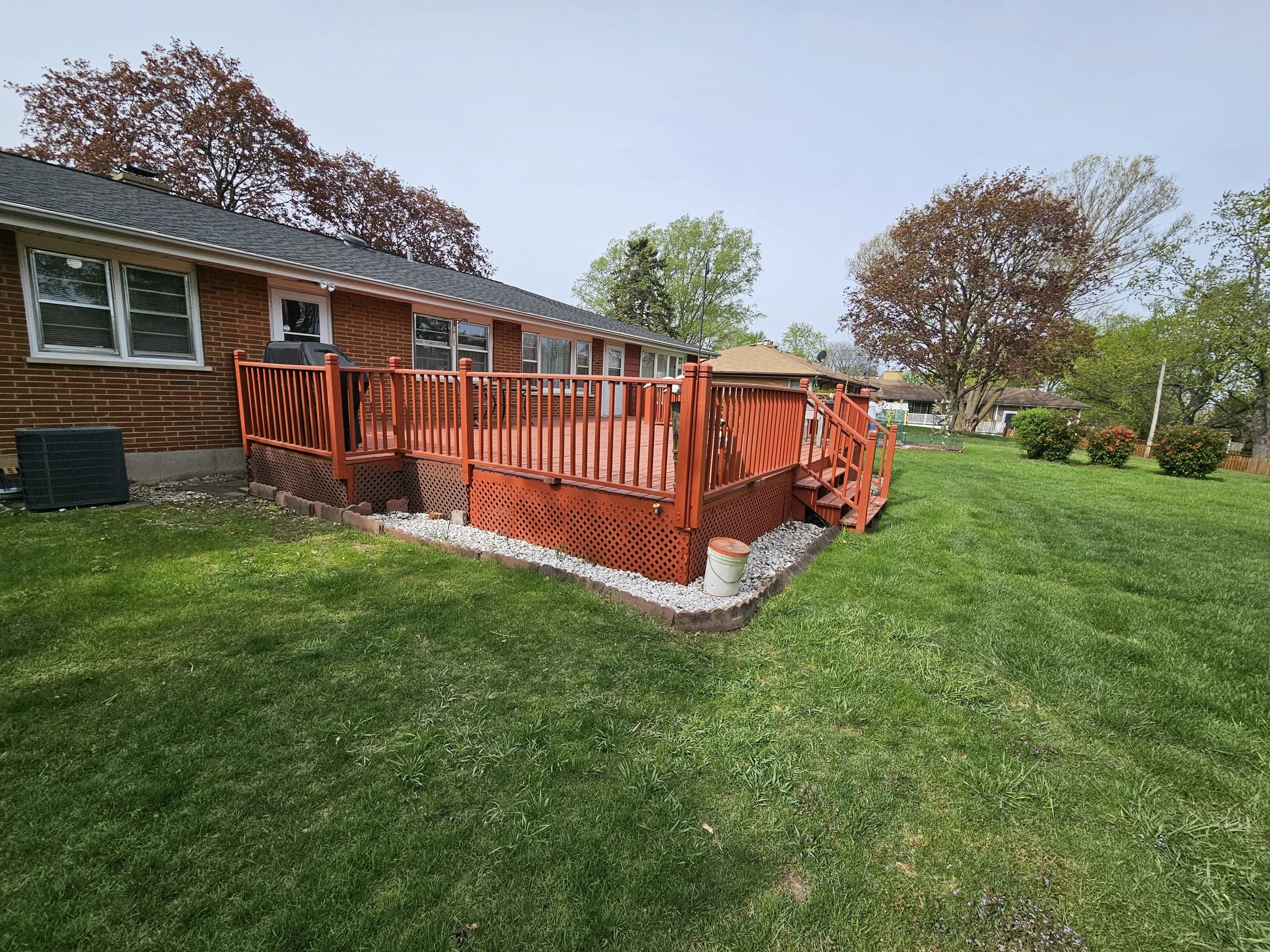
What Winter Does to an Unsealed Deck
Bare wood acts like a sponge. Rain and melting snow soak into the boards. Then the temperature drops, and that water freezes.
Water expands when it freezes. Inside your deck boards, that means tiny cracks get pushed wider. Do that dozens of times between November and March, and you get:
Splits and checking along the grain
Raised, splintery boards that catch bare feet come summer
Mildew and gray rot from moisture that sat there all winter
Loose fasteners as the wood swells and shrinks around them
We've seen this a lot….A deck that needs a clean-and-seal in fall that goes untouched turns into an unexpected expense for a board replacement job by spring.
The fix is actually simpler than you'd think… it just has to happen before the cold does.
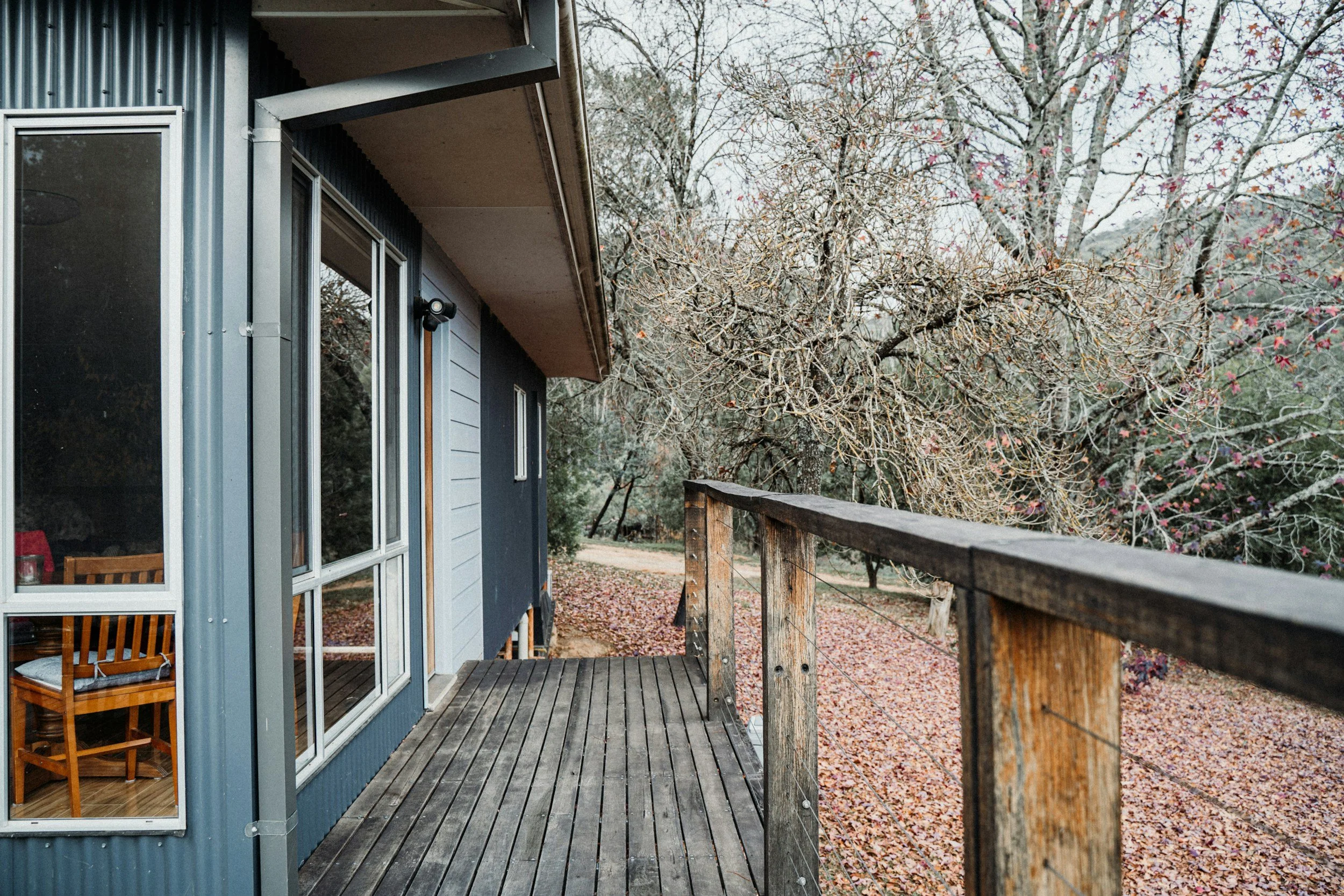
Why Fall Is the Last Window
It comes down to one thing: temperature.
Paint and stain don't just dry.
They cure, and curing needs warmth.
Deck stain needs about 50°F. Most deck stains want air and wood at 50°F or warmer, and they need to stay above 40–50°F for the next day or two while they cure. They also need dry boards and no rain in the forecast. In Chicago, those days get rare fast once October winds down.
Exterior paint has a little more room. Many newer exterior paints, like Sherwin-Williams Duration and SuperPaint, are rated down to 35°F. Standard latex still wants 50°F or warmer. So trim and siding touch-ups can sometimes stretch into early November. Your deck can't.
Cold paint fails quietly. Paint that goes on too cold can look fine for a week. Then it cracks, peels, or never fully bonds. You won't find out until spring, when it's flaking off in sheets.
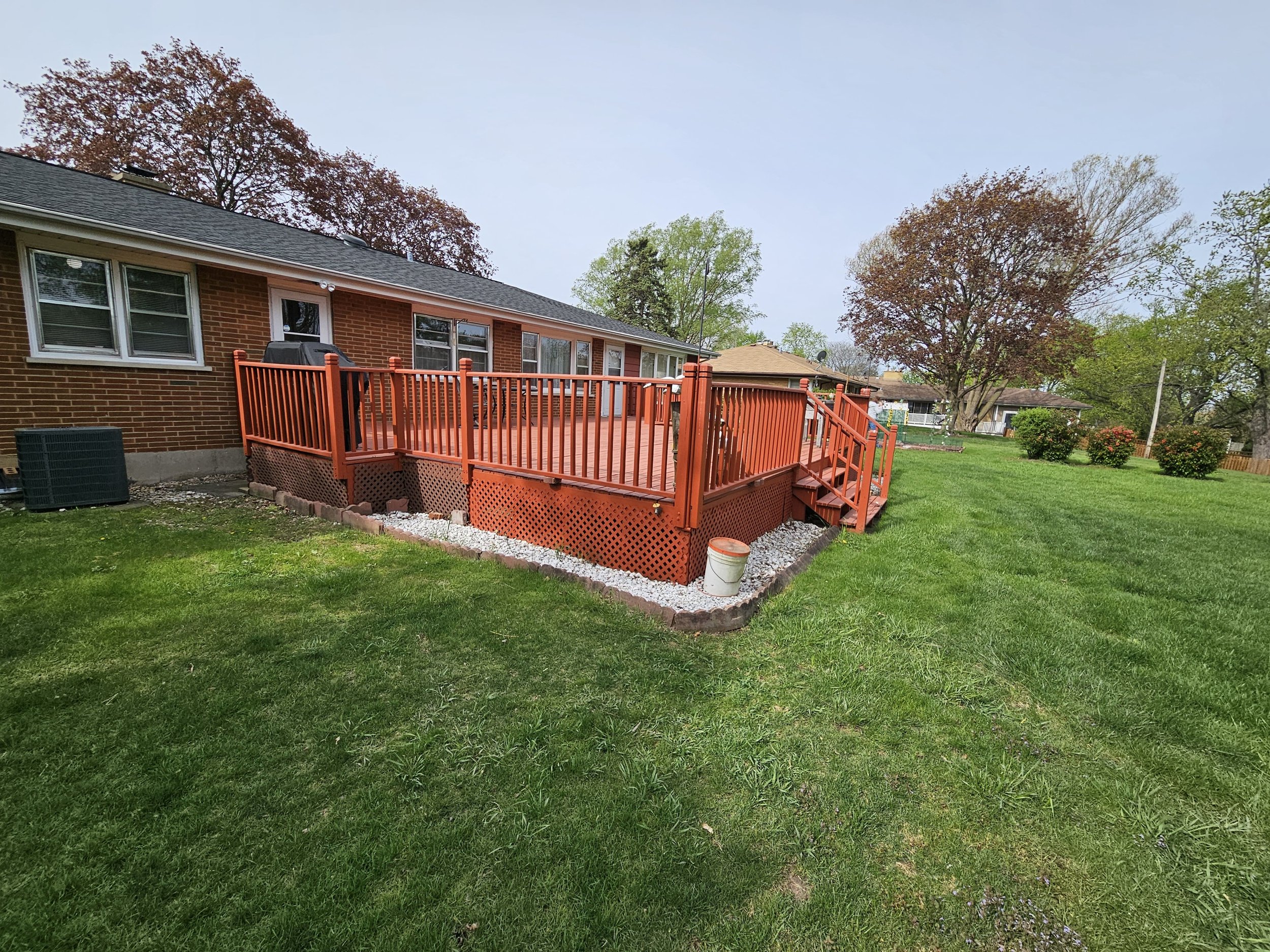
Before
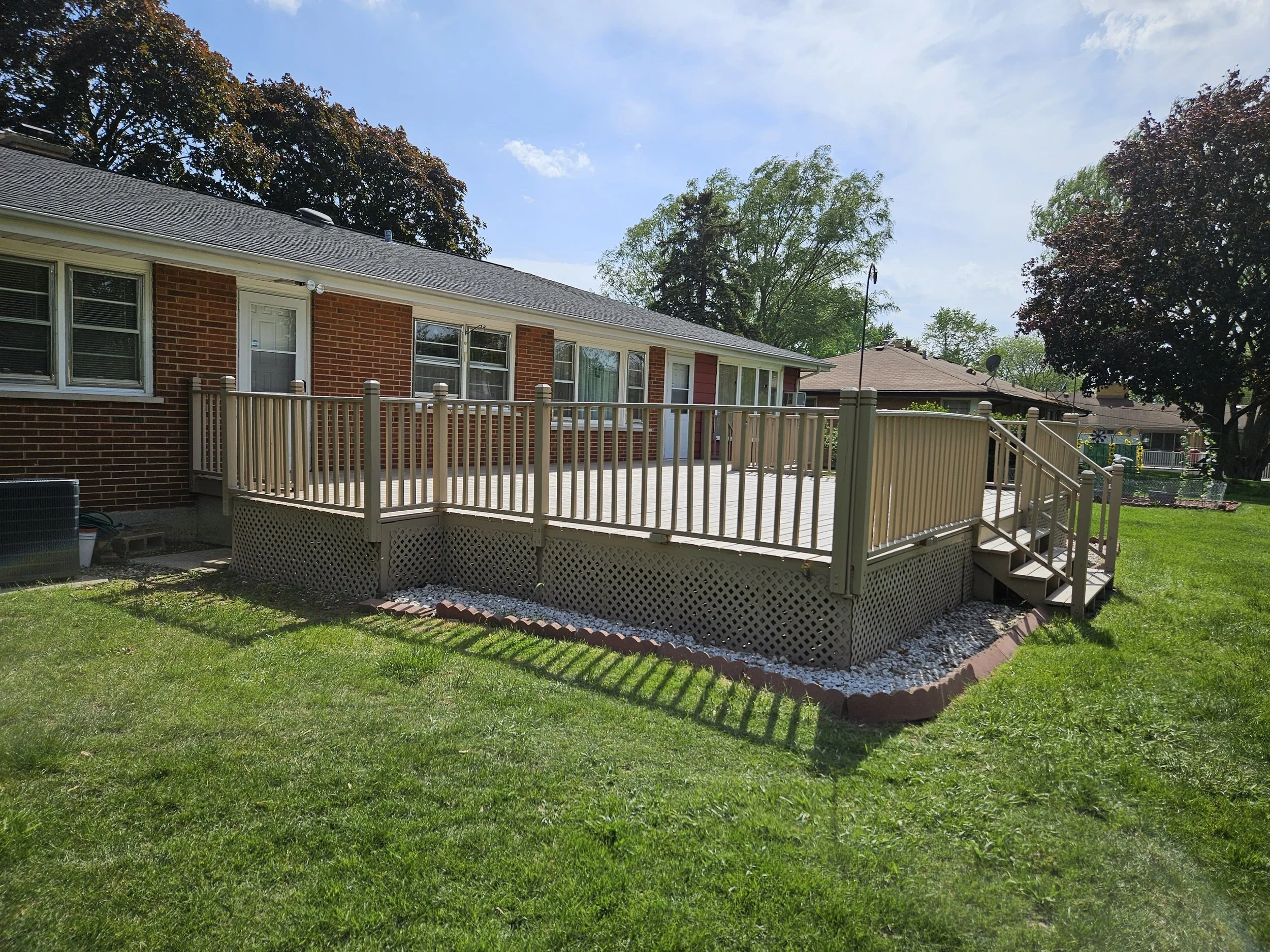
After
A Quick Check You Can Do This Weekend
You don't need a ladder for this.
Grab a cup of water and give yourself ten minutes. This is the first step to winterize your home:
Do the water test on your deck. If water soaks in within a minute, it's time to seal.
Look for gray, fuzzy boards. That's UV damage and the start of mildew. It needs cleaning before any stain goes on.
Check the trim around windows and doors. Peeling or bare wood there is where water gets in first.
Press on the caulk lines. Cracked or shrunken caulk lets water behind your siding, where it freezes and pushes paint off.
Scan the south and west sides. They take the most sun and usually fail first.
If you checked two or more of these, don't wait for spring. A small fix now beats a big repair later.
Book Before the Cold Does
“Elevated Finishes did a great job from start to finish on repairing and staining my large deck. Job was promptly quoted, explained exactly what would be done. Crew arrived on time, polite and efficient. Alan checked in to oversee work being done when he himself wasn't working on site. Made sure I was satisfied with work when done. Very happy with how nice deck looks”
— Cynthia
Our fall calendar fills up fast, and every week the weather window gets smaller. If your deck or trim needs attention, let's get you on the schedule while there's still time to do it right.
We'll take a look and give you a free estimate. No pressure, just an honest answer about what can wait and what can't.
Book Now
Ready to get your deck, patio, or fence done?
That’s what we do.
We serve Naperville, Downers Grove, Westmont, Hinsdale, and the surrounding DuPage County area.
Give us a call or request a free estimate online, and we'll take a look, give you a straight answer on what your home needs, and get you on the schedule before it fills up.