
Most homeowners don't think about humidity until their paint job starts falling apart. Two years in, maybe three if they're lucky, and suddenly there's blistering on the south side of the house, peeling near the gutters, or a greenish haze creeping across the siding that no amount of scrubbing seems to fix.
Here's the honest truth: that's not a fluke. That's Chicago.
It's Not Just Humidity — It's Chicago's Version of Humidity
We're a lake city. That means moisture doesn't just show up in July and leave in September — it sits on everything, all summer long, thanks to the lake effect. Then winter hits, and we swing hard into freeze-thaw cycles that most paint products were never built to survive.
Most paint failure around here comes down to one of three things: blistering, adhesion failure, or mildew. Let's go through each one, because knowing what's actually happening on your walls changes how you fix it.
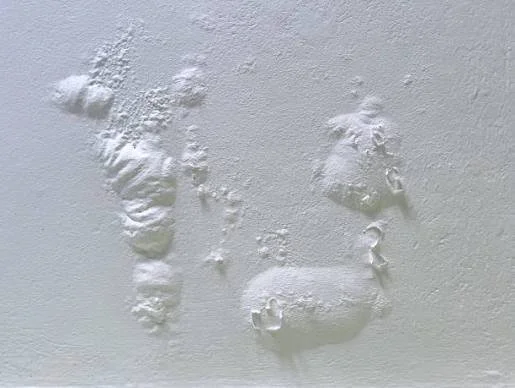
Blistering
When humidity is high and a wall gets hit with direct sun, moisture trapped underneath the paint film tries to escape. It can't get through a solid coat, so it pushes up and forms a bubble. Pop one open and you'll usually find bare wood or a chalky residue underneath — a sign the paint never really bonded in the first place.
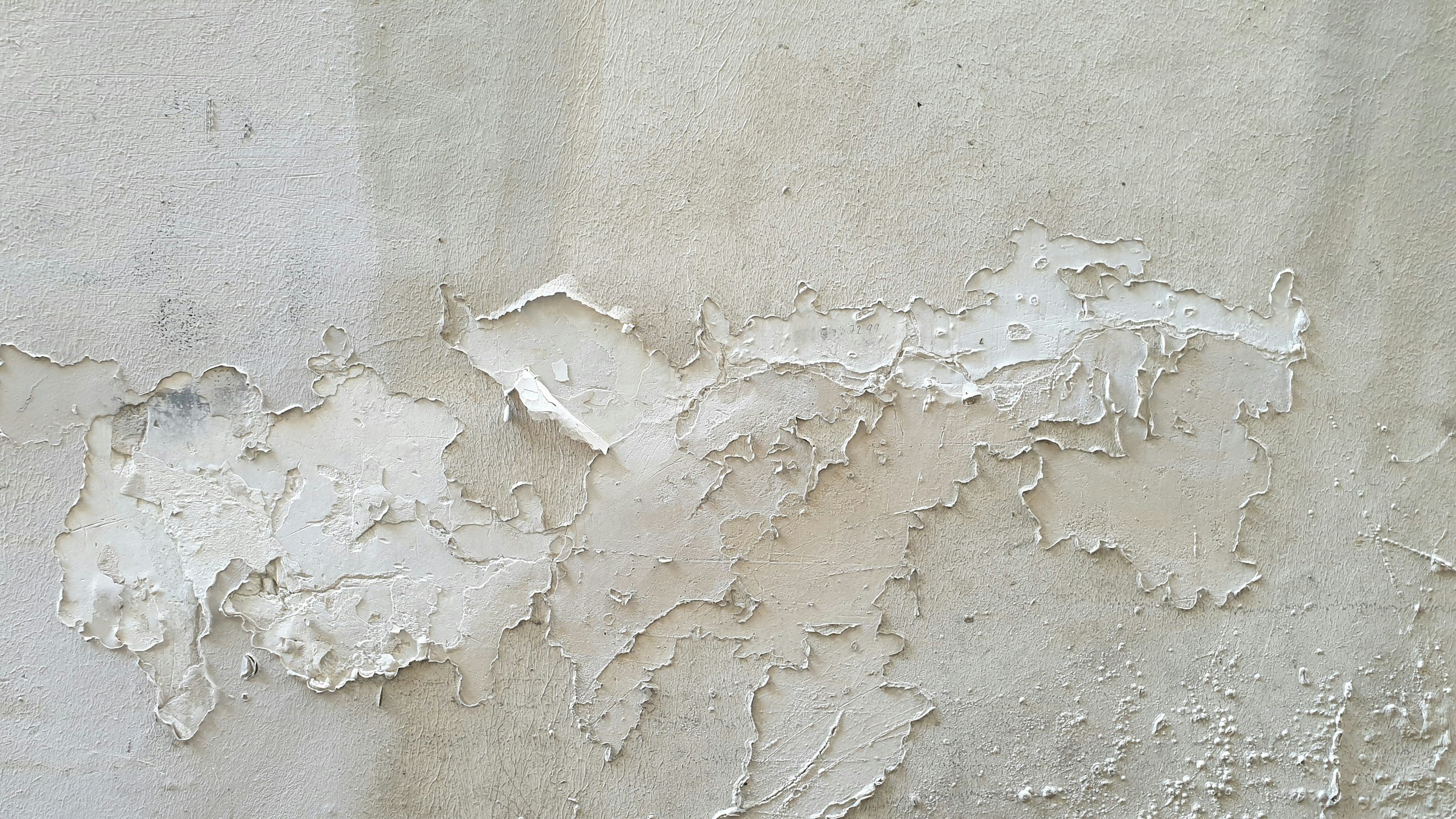
Adhesion Failure
This is the peeling you see in sheets, sometimes taking the primer with it. It almost always traces back to painting on a day with too much moisture in the air, or on a surface that wasn't fully dry. Paint needs a clean, dry surface to grip. Skip that step and you're basically taping paint to your house instead of bonding it.
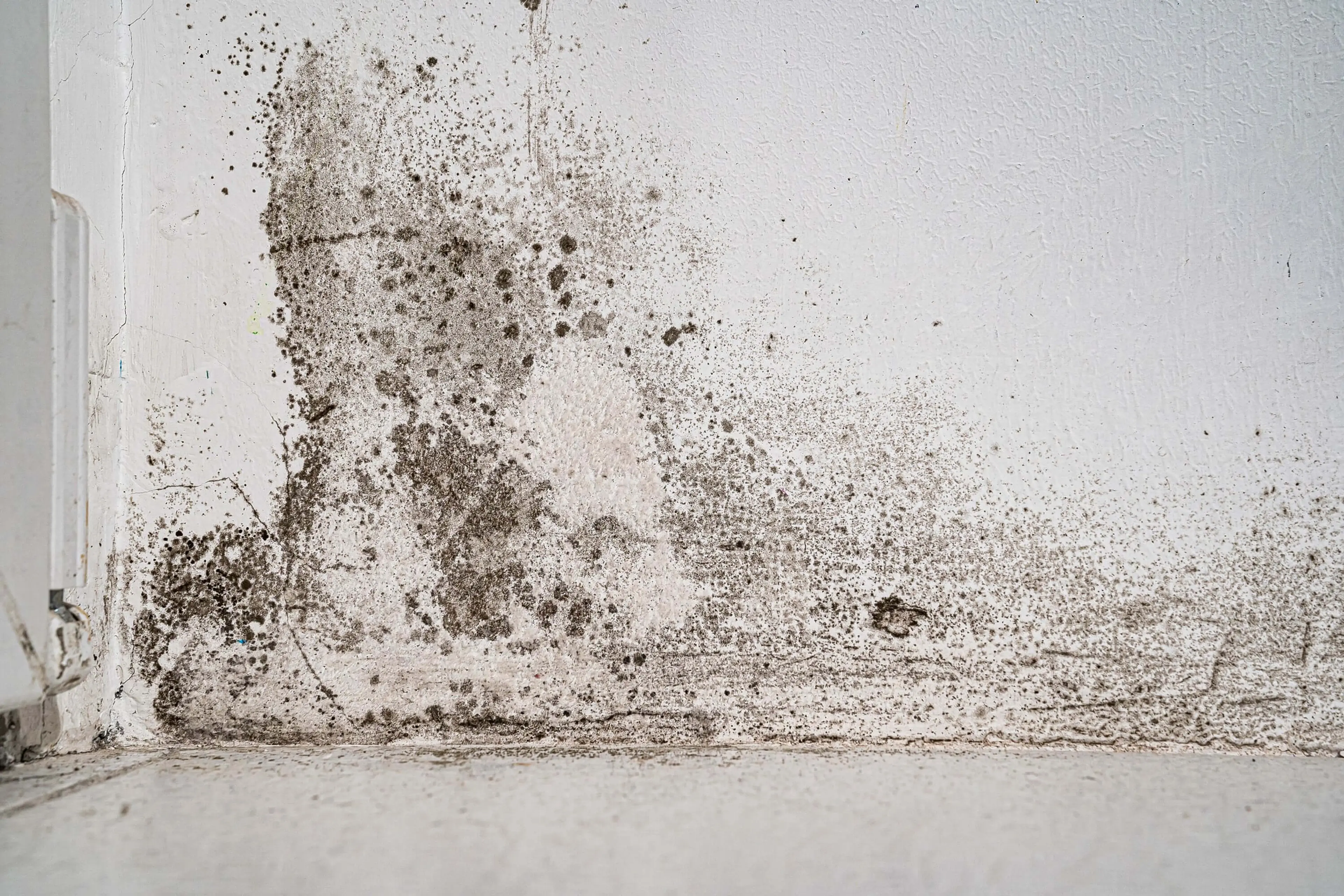
Mildew
Chicago's humid stretches are a mildew factory, especially on north-facing walls that don't get much direct sun to dry them out. Mildew doesn't just look bad — it breaks down the paint film over time and speeds up everything else on this list.
The Mistakes We See Over and Over
Most contractors won't tell you this, but a huge chunk of premature paint failure isn't the paint's fault. It's how and when it was applied.
Painting in the wrong conditions
Paint has a workable humidity and temperature range, and a lot of crews push through anyway to stay on schedule. Anything over 85% humidity, or surface temps outside the paint manufacturer's range, and you're rolling the dice.
Skipping or shortcutting primer
Primer isn't optional on Chicago exteriors. It's what gives the topcoat something real to grab onto, especially on older wood siding that's already dried out and porous.
Using the wrong paint type for the surface
A budget acrylic that's fine in a drier climate doesn't hold up here. We look for products rated for high-humidity, wide-temperature-swing regions — not whatever's cheapest at the counter.
Painting too late in the fall
There's a real cutoff. Paint needs time to cure before temperatures drop, and pushing a job into late October in Chicago is asking for adhesion problems come spring.
What Actually Prevents This
The fix is actually simpler than you'd think — it just requires doing the boring parts right.
Check the forecast, not just the day. You need a stretch of dry weather before and after painting, not just a clear morning.
Prep the surface properly. Scrape, sand, and let everything dry completely before a drop of paint goes on.
Prime bare wood every time. No exceptions, no shortcuts.
Use a paint rated for your exposure. South and west-facing walls need something that handles UV and heat. North-facing walls need something that resists mildew.
Two coats, no shortcuts. One coat almost never gives you full mil thickness, and thin paint fails faster in a climate like ours.
Your home deserves better than a rushed coat of paint slapped on during a humid week in August because a crew needed to hit a deadline. Do it right once, and you won't be back here in two years wondering what went wrong.
If you're seeing blistering, peeling, or mildew on your place right now, give us a call. We'll walk the exterior with you, tell you what's actually going on, and talk through what it'll take to fix it for good — no pressure.
Book Now
We serve Naperville, Downers Grove, Westmont, Hinsdale, and the surrounding DuPage County area.
Give us a call or request a free estimate online, and we'll take a look, give you a straight answer on what your home needs, and get you on the schedule before it fills up.