
What Winter Did to Your Home's Exterior (And How to Fix It This Spring)
Winter is harder on your home than you think. Here's what to look for and how to fix it before the damage gets worse.
Spring has a way of revealing things. The snow melts, the sun comes back, and suddenly you're standing in your driveway staring at your house thinking: When did that happen? Peeling paint. Green mold is creeping up the siding. A deck that looks like it survived a war. A driveway coated in salt stains and grime. You're not imagining it. Winter is genuinely brutal on your home's exterior, and most of the damage happens slowly, quietly, and out of sight while you're staying warm inside.
The good news: spring is the perfect time to address all of it. Here's a breakdown of what winter likely did to your home and exactly how to fix it.
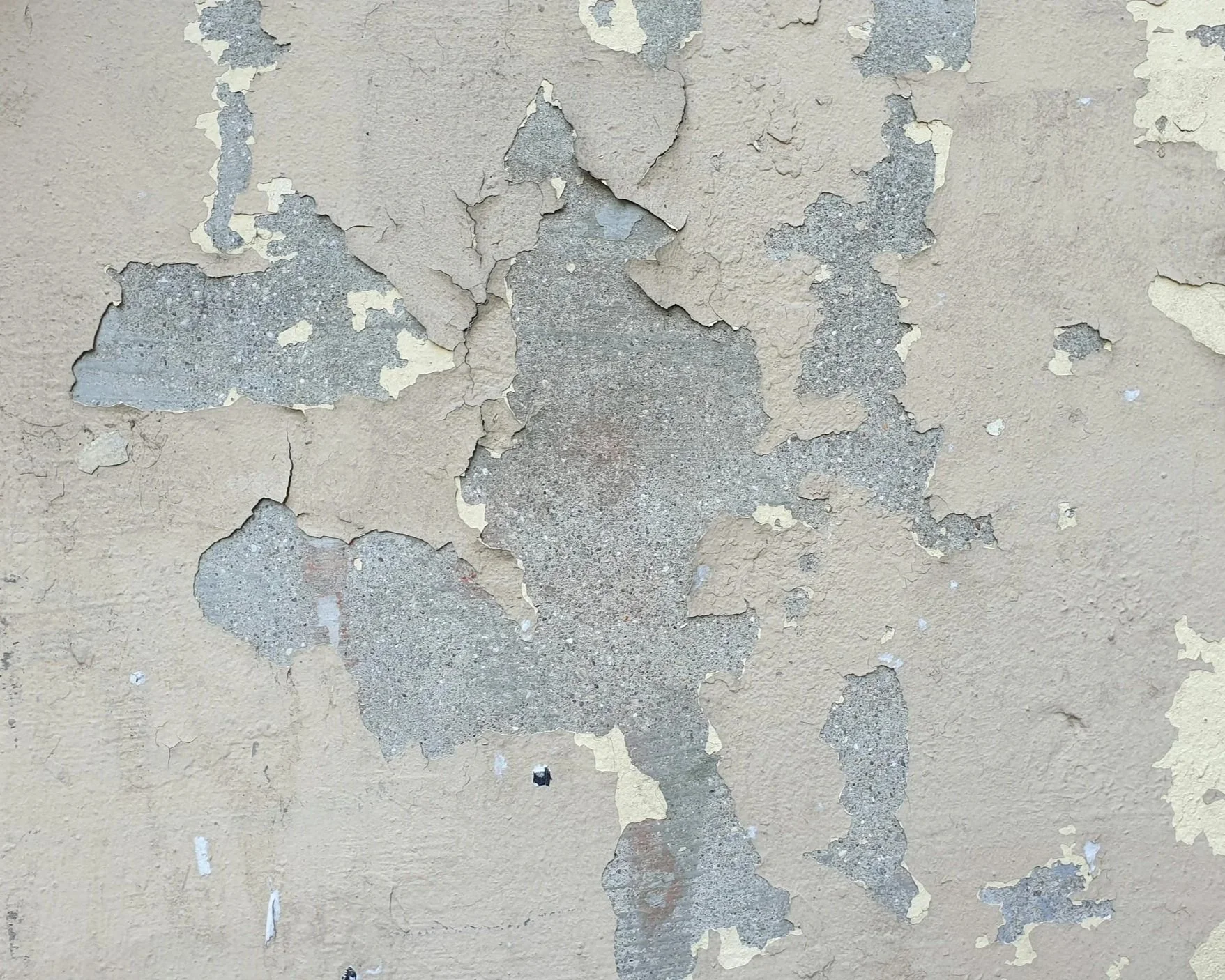
1. Your Exterior Paint Is Showing Its Age
Cold temperatures, moisture, and freeze-thaw cycles are the enemy of exterior paint. What happens:
Water seeps into tiny cracks in the paint film
As it freezes and expands, it forces the paint to bubble, crack, and peel
UV exposure all winter long fades color and breaks down the paint's protective layer
Wind-driven rain and ice can physically chip paint off siding, trim, and fascia boards
What to look for: Walk your home's perimeter and look for peeling, bubbling, chalking (a powdery residue when you rub the surface), or large areas of fading. Pay extra attention to south- and west-facing walls, which take the most sun and wind.
"The fix: A professional exterior paint job does more than make your home look great — it seals the surface against moisture, insects, and further weather damage. Left untreated, peeling paint allows water to penetrate siding and cause rot, mold, and structural issues that cost far more to fix than a fresh coat of paint."
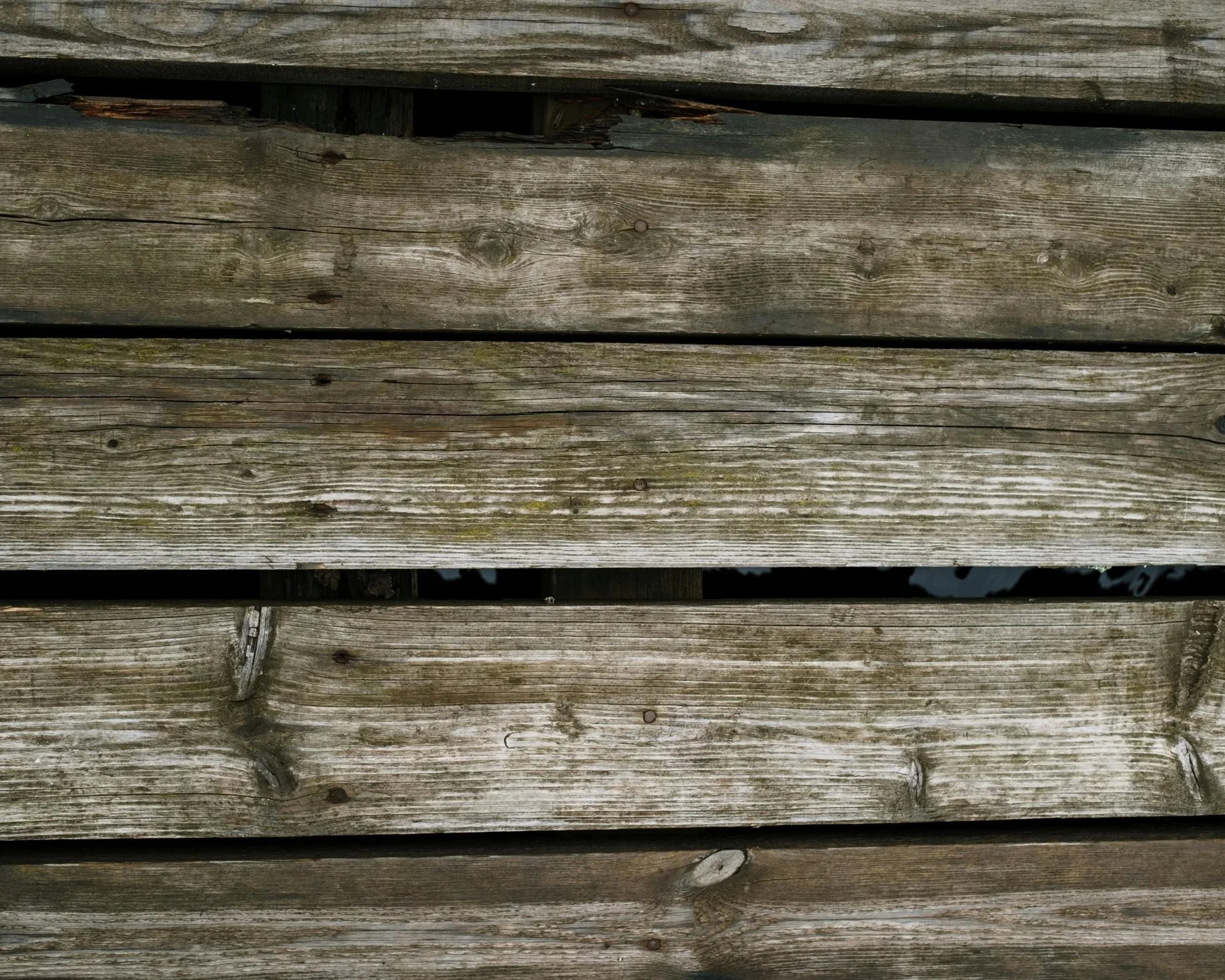
2. Your Deck Took a Beating
Decks are the most weather-exposed surface on your property, and they pay for it every winter. Wood is porous, and moisture is relentless. Snow and ice sitting on deck boards force moisture deep into the wood grain. Freeze-thaw cycles cause boards to swell, contract, and eventually crack or warp. Old stain or sealant that wore off last fall offered little protection over the winter. Mildew and mold can take hold in shaded areas, staining the wood and weakening it over time.
What to look for: Check for soft or spongy spots (a sign of rot), cracked or splintered boards, gray discoloration (weathering), dark staining from mildew, and peeling or flaking stain.
The fix: Spring is the ideal time to restore and re-stain your deck. The wood needs to dry out after winter before staining ( typically a few warm, dry weeks ), and doing it early in the season gives you maximum protection before summer foot traffic and heat arrive.
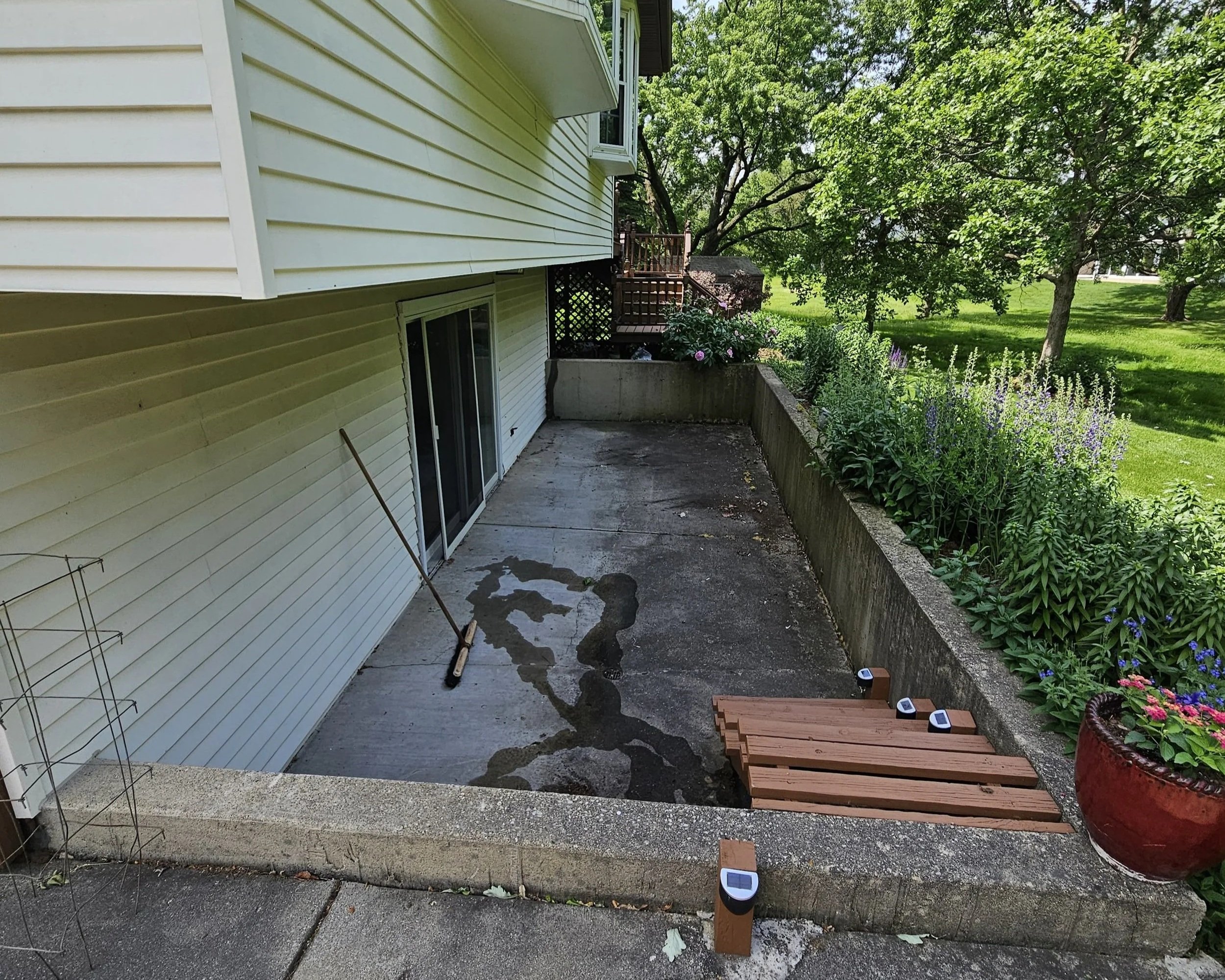
3. Dirt, Mold, and Algae Have Colonized Your Surfaces
It's not glamorous, but it's true: your siding, driveway, walkways, fences, and gutters have spent months accumulating biological growth and grime. Algae and mold thrive in damp, shaded areas and spread quickly in late winter. Road salt and sand tracked onto driveways and walkways leave white staining and can eat into concrete. Dirty siding doesn't just look bad; it can trap moisture against the surface, accelerating deterioration. Gutters full of winter debris can hold moisture and cause overflow damage to fascia and foundation.
What to look for: Green or black streaking on siding, fences, or retaining walls. Stained concrete or pavers. Grimy patios. A roof line that looks darker than it should.
The fix: Professional power washing removes months of buildup quickly, safely, and without damaging surfaces. It's also the essential first step before any painting or staining — you should never apply a new finish over dirty or contaminated surfaces.
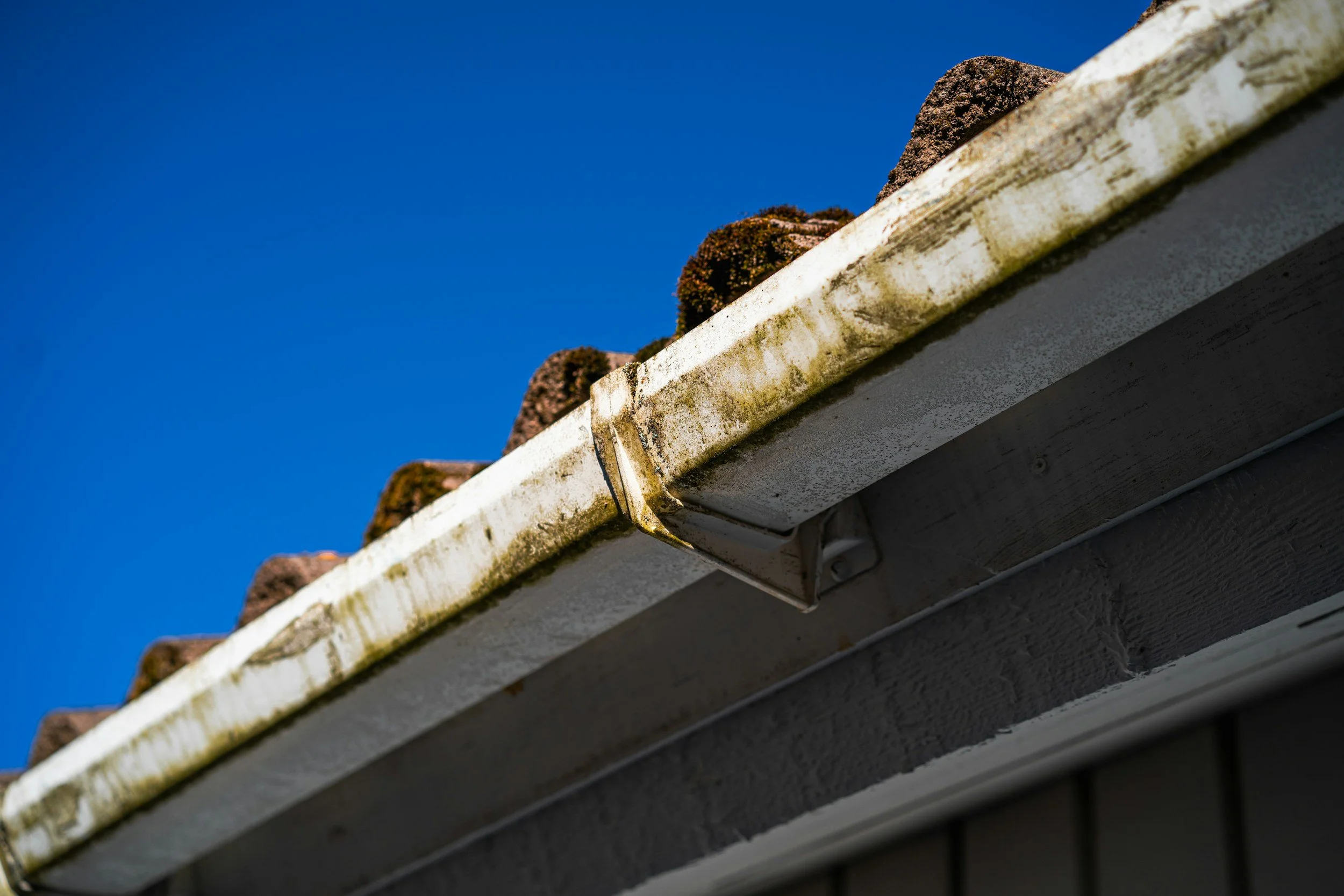
4. Your Gutters and Downspouts Need Attention
Gutters do a thankless job all winter, and by spring, they've usually earned a serious cleaning. Clogged gutters from fall debris, ice dams, and winter runoff can cause water to back up under shingles, drip behind fascia boards, and pool around your foundation.
What to look for: Sagging gutter sections, visible debris, rust spots or staining on siding beneath gutters, and any areas where gutters have pulled away from the fascia.
The fix: A gutter cleaning and inspection now prevents far bigger (and far more expensive) water damage problems down the line.

5. Your Front Entry Has Lost Its Curb Appeal
The front door, shutters, trim, and entry area are the first things visitors and potential buyers see. After a winter of cold temps, salt air, and sun exposure, they often look it. Front door paint or stain chips and fades faster than any other exterior surface due to direct sun and use. Shutters can warp slightly and lose color vibrancy. Entry trim and moldings are vulnerable to moisture damage where they meet the house. Concrete steps and stoops may show salt staining or surface spalling.
What to look for: Check your front door for peeling, fading, or worn finish around the edges and handle area. Inspect shutters and trim for paint failure or warping.
The fix: Repainting or restaining your front door is one of the highest-ROI updates you can make for curb appeal, whether you're selling or just want your home looking its best. Combined with fresh trim paint and a power-washed entry, the transformation can be dramatic.
The Spring Timing Window Is Short
Here's the thing about spring repairs: there's a right window, and it closes faster than most homeowners expect. Painting and deck staining require dry weather and mild temperatures (typically above 50°F). The sweet spot is late March through May, before summer heat and humidity arrive. And reputable contractors fill up fast as the season picks up. If you're looking at your home right now and thinking "I should probably do something about that" … you're right. And the time to act is now, not in June when everyone else has had the same realization.